
Why 2 in 3: Queensland's skin cancer numbers explained
Two in three Australians will be diagnosed with skin cancer by age 70. It sounds like an exaggeration. It is not, and Queensland is the reason the number is so high.
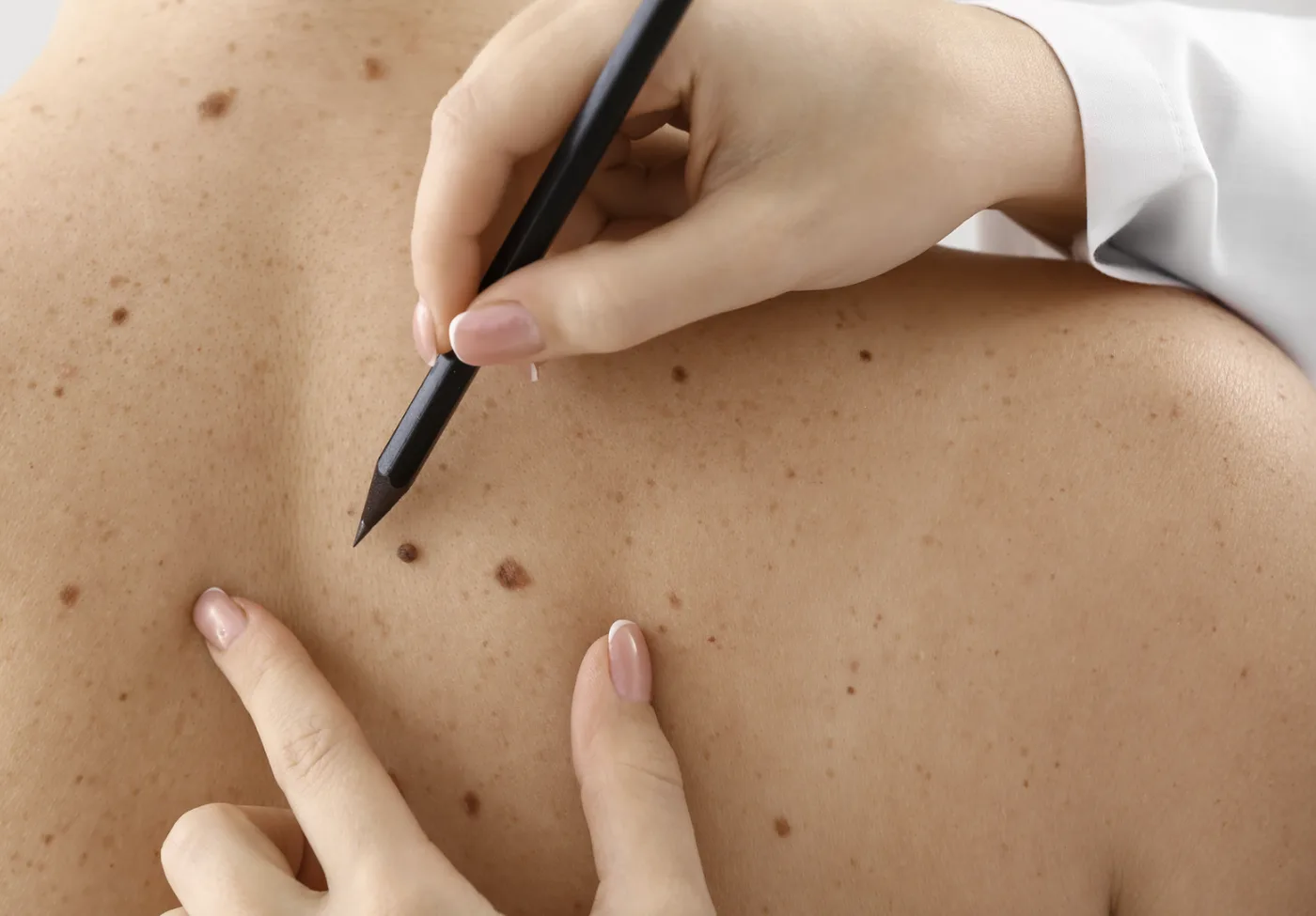
Where the number comes from
The 2 in 3 figure is the standard Australian estimate of lifetime risk: by the age of 70, around two thirds of Australians will have been diagnosed with some form of skin cancer. The large majority of those are basal cell and squamous cell carcinomas rather than melanoma, but they are all real cancers requiring real treatment. Australia and New Zealand sit at the top of the world for skin cancer, and within Australia, Queensland leads.
Why here, specifically
None of those factors is dramatic on its own. Stacked together for decades, they produce the highest skin cancer rates in the world.
The part of the statistic people miss
2 in 3 sounds grim, but the second half of the story is genuinely good news: found early, most skin cancers are very treatable. Basal cell carcinomas grow slowly and rarely spread. Squamous cell carcinomas caught early are usually dealt with by straightforward procedures. Even melanoma, the dangerous one, has excellent outcomes when it is found thin and early. The statistic that matters for you is not the 2 in 3. It is the gap in outcomes between cancers found early and cancers found late.
What the numbers mean for you personally
Not fate. A 2 in 3 lifetime risk means a skin cancer diagnosis at some point is more likely than not for the average Australian, which makes early detection a plan rather than a paranoia. Know the three types and what they look like, keep up your sun protection, and have your skin professionally checked at the interval your doctor sets. That combination is what turns a scary statistic into a manageable one.
One decision
If you take a single action off the back of this article, make it this: if a doctor has never examined your skin head to toe, book a full body skin check. It takes 15 to 30 minutes, no referral needed, right here in Bulimba.
This article is general information, not medical advice. If you are worried about a spot on your skin, book an appointment with a doctor.
Be in the found early group
Full body skin checks in Bulimba, 15 to 30 minutes. Choose a male or female doctor when you book.