
Skin check vs mole mapping: what is the difference?
The two get used interchangeably in conversation, but they are different services for different situations. Here is how to tell which one you actually need.
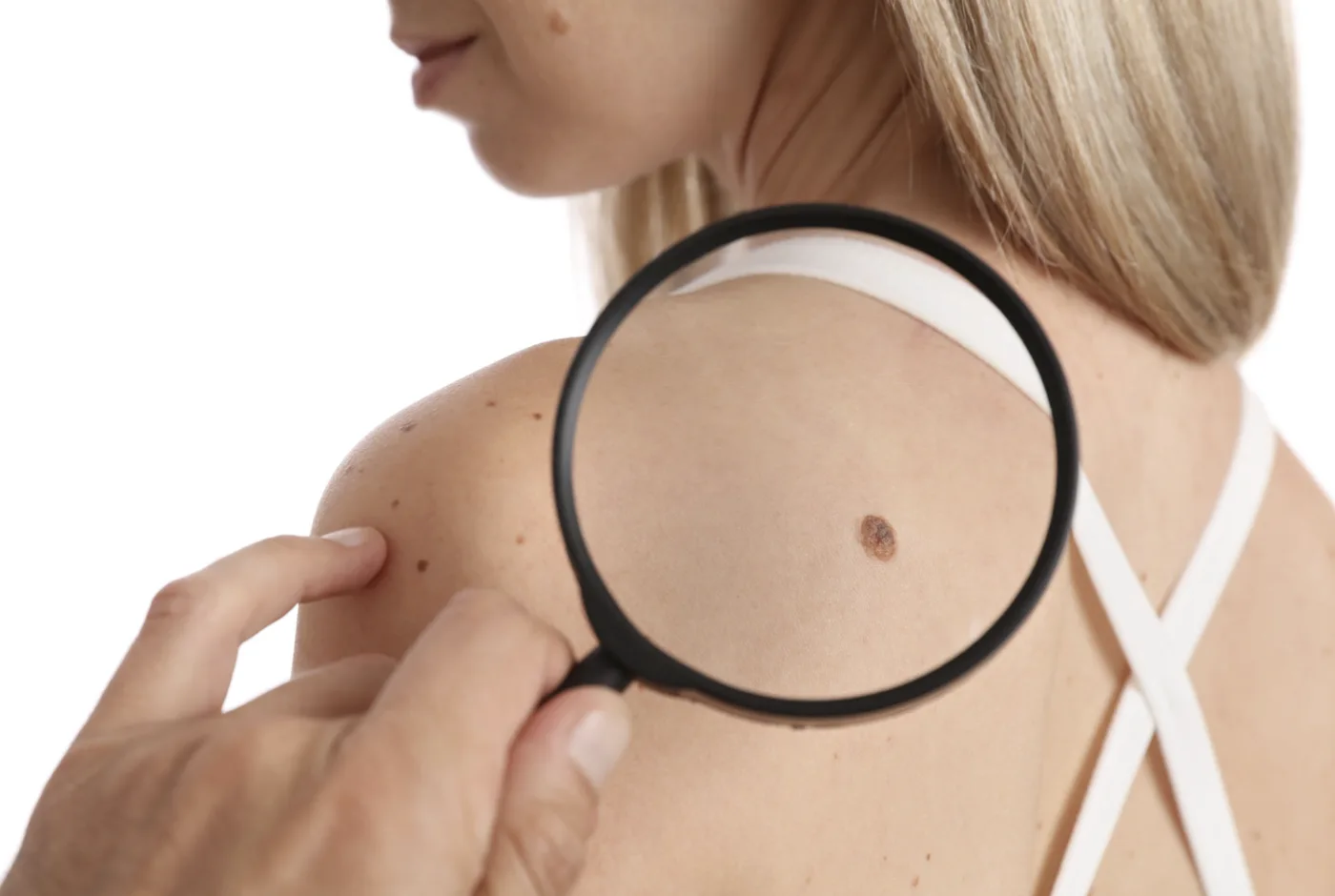
What a full body skin check is
A skin check is a doctor examining your skin from scalp to soles, using a dermatoscope, a handheld magnifier that shows what is happening beneath the surface of each spot. It takes 15 to 30 minutes. The doctor makes decisions in the room: this one is fine, this one gets photographed and rechecked, this one needs a biopsy. It is the workhorse of skin cancer detection, and for most people it is exactly what is needed. Our skin checks page covers what happens step by step.
What mole mapping is
Mole mapping, sometimes called total body photography, is a system for photographing your entire skin surface in a standardised way, storing the images, and comparing them over time. The idea is that when you come back, new spots and changed spots can be picked against the old photos, including changes too subtle to catch from memory.
Who actually needs mapping
Mole mapping earns its keep for a specific group: people at genuinely high risk of melanoma, usually because they have a large number of moles, atypical moles, a strong family history, or a previous melanoma. When you have a hundred plus moles, memory and even good clinical notes struggle, and systematic photos genuinely help.
For most people, that is not the situation. If you have an ordinary number of moles, a thorough dermatoscope examination on a regular schedule finds what needs finding, and spots that deserve monitoring can be photographed individually and rechecked, without mapping the entire body.
What we do at Bulimba
Our doctors do full body skin checks with dermoscopy, and photograph and monitor individual spots of interest between visits. If your doctor examines you and thinks full mole mapping is genuinely warranted for your risk profile, they will say so and point you to the right service for it. That honest triage is worth more than booking the fanciest sounding option by default.
The short version
This article is general information, not medical advice. Your own doctor is the right person to work out what your skin needs.
Start with the check
Full body skin checks in Bulimba, 15 to 30 minutes, no referral needed. Choose a male or female doctor when you book.